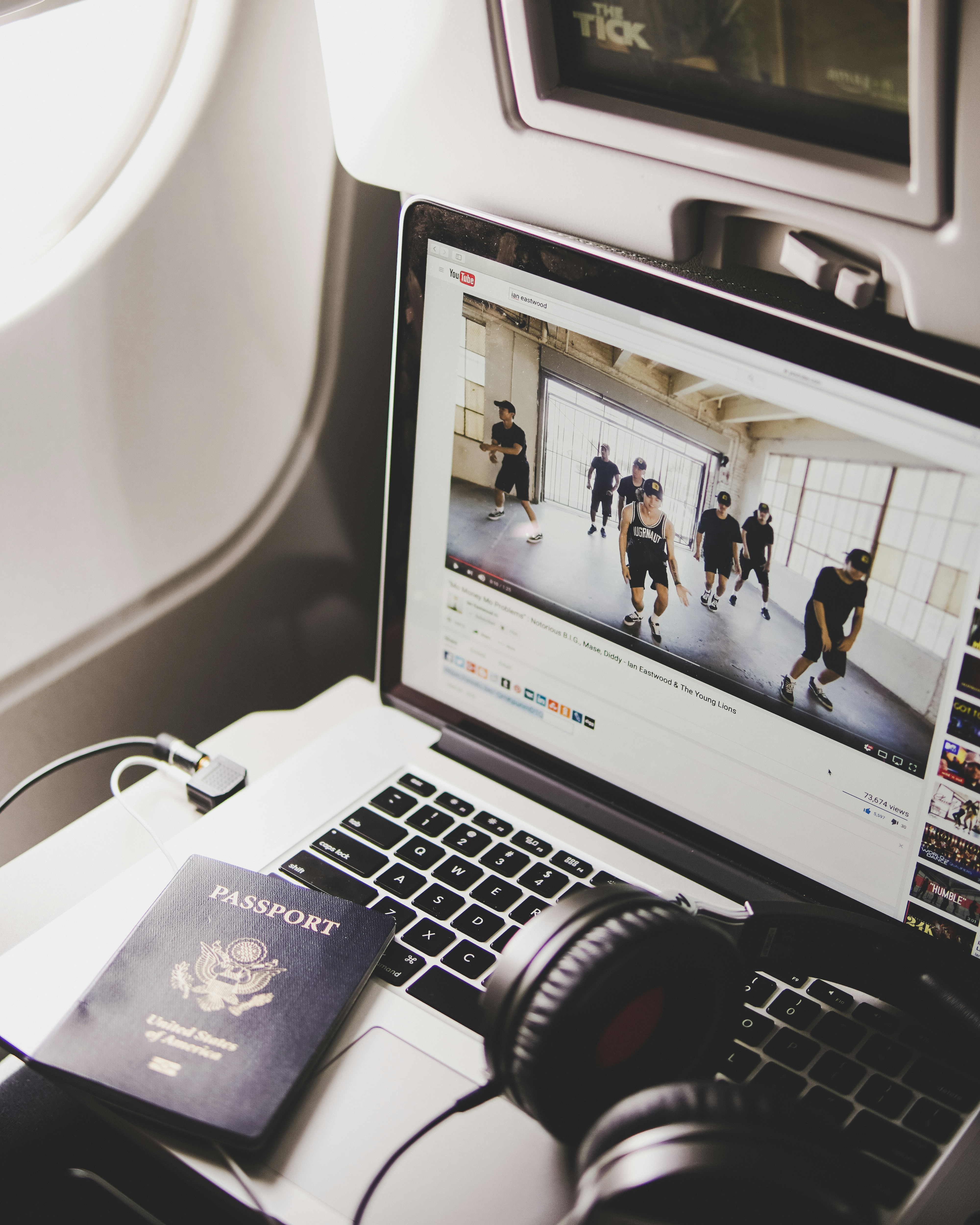
Introduction to the travel industry
The travel industry is a vibrant tapestry woven from countless threads of experience, adventure, and exploration. With each passing year, it becomes more dynamic and interconnected. From the allure of tropical beaches to the cultural depths of bustling cities, millions set off every day seeking new horizons.
But have you ever paused to consider what happens behind the scenes? The journey from booking that dream vacation to finally stepping onto foreign soil involves various players working tirelessly in sync. Companies are innovating at unprecedented speeds, revolutionizing how we plan our trips and interact with travel services.
As travelers become increasingly savvy in their choices, understanding these processes sheds light on how global travel unfolds. Join us as we delve into this fascinating world—from booking mechanisms to distribution networks—and discover what powers your next getaway.
The booking process and its evolution
The booking process has undergone a remarkable transformation over the decades. Once dominated by travel agents and thick guidebooks, it now thrives in a digital landscape.
In the early days, travelers relied on face-to-face interactions to secure their trips. Long phone calls with agents were common, as was waiting for confirmations via mail.
With the rise of the internet in the late 1990s came a shift towards online bookings. Websites provided instant access to flights and accommodations at any hour of day or night.
Mobile apps have since revolutionized how we plan our journeys. Now, everything from hotel reservations to car rentals can be managed right from your smartphone.
As technology continues to advance, artificial intelligence and machine learning are poised to further streamline this experience, making travel planning faster and more personalized than ever before.
Major players in the booking industry
In the ever-evolving travel landscape, several key players dominate the booking industry. Brands like Expedia and Booking.com have transformed how travelers find accommodations. With sleek interfaces, they make exploring options a breeze.
Airlines also play a crucial role in this ecosystem. Companies like Delta and Emirates offer direct booking channels that compete with third-party platforms. They streamline customer experiences while promoting loyalty programs to retain travelers.
Emerging startups are shaking up traditional models as well. Companies such as Hopper leverage AI technology to predict flight prices, helping users snag deals before they disappear.
Then there’s Airbnb, which redefined lodging by allowing private homeowners to rent their spaces. This disruption has introduced new dynamics into global travel preferences.
These major players not only facilitate bookings but also shape consumer behavior through innovative strategies and marketing approaches tailored for modern explorers.
The rise of online booking platforms
Online booking platforms have transformed the travel landscape. Gone are the days of waiting in long lines at travel agencies or flipping through brochures. Now, a world of options is just a click away.
Websites and apps like Expedia, Booking.com, and Airbnb offer travelers unprecedented access to accommodations, flights, and experiences. Users can compare prices effortlessly and read reviews from fellow explorers. This transparency builds trust in what they’re selecting.
Mobile technology plays a huge role too. With smartphones in hand, people can plan trips on-the-go. Last-minute bookings? No problem!
Social media influences trends as well; influencers showcase destinations that spark desire among their followers.
As competition grows among these platforms, innovation remains key. Enhanced user experiences keep travelers coming back for more options tailored to their preferences.
Distribution companies and their role in the travel industry
Distribution companies play a crucial role in connecting travelers with their desired experiences. They act as intermediaries between service providers—like airlines, hotels, and car rental services—and consumers seeking to book these offerings.
These companies streamline the process of availability and pricing information. By aggregating data from various sources, they make it easier for travelers to compare options and find the best deals.
Their influence extends beyond simple bookings. Distribution firms also analyze market trends, helping businesses adapt to changing traveler preferences. This insight can shape marketing strategies and promotional efforts across the industry.
Moreover, many distribution companies are venturing into partnerships with technology firms. This collaboration enhances user experience through advanced features like personalized recommendations or dynamic pricing models that respond in real time based on demand fluctuations.
As travel continues evolving, distribution companies remain pivotal players ensuring seamless interactions within this vibrant ecosystem.
How these companies are shaping global travel trends
Travel companies are at the forefront of shaping global travel trends. Their influence extends beyond mere booking systems; they dictate how we experience travel itself.
With innovative marketing strategies, these companies tap into emerging consumer preferences. They highlight sustainable options, promoting eco-friendly accommodations and activities that resonate with environmentally conscious travelers.
Personalization is another trend driven by data analytics. Companies now curate offerings based on user behavior and preferences, making each journey unique.
Furthermore, collaboration between different sectors enriches the travel landscape. Partnerships among airlines, hotels, and local attractions create comprehensive packages that cater to diverse interests.
Social media plays a pivotal role as well. Travelers share their experiences online, fueling demand for new destinations and services. This creates a cycle where companies adapt quickly to shifting desires in real-time.
It's an exciting time for globetrotters as these players redefine what it means to explore the world.
Challenges and controversies faced by these companies
The travel industry is not without its challenges. Companies face increasing scrutiny over their pricing strategies and transparency. Hidden fees can frustrate customers, leading to trust issues.
Sustainability has emerged as a hot topic. With climate change at the forefront, many travelers are demanding eco-friendly options. This puts pressure on companies to adapt quickly or risk losing business.
Data privacy also raises concerns. As booking platforms collect vast amounts of personal information, breaches can have dire consequences for both consumers and companies alike.
Moreover, competition remains fierce in this sector. New players continually emerge, challenging established giants while offering innovative services that disrupt traditional models.
Customer service experiences often spark controversy too. A single negative review can impact a company’s reputation significantly in today’s digital world, making it crucial to maintain high standards consistently.
: The impact of technology on the travel industry and what’s next for these companies
The travel industry is rapidly evolving, driven by technology. From artificial intelligence to big data analytics, innovations are reshaping how people plan and experience their journeys. Companies are leveraging these advancements to enhance customer service, optimize operations, and create personalized experiences.
Mobile apps have transformed bookings into a seamless process right at your fingertips. Travelers can now compare prices in real time and receive instant notifications about discounts or last-minute deals. Virtual reality is even making its mark; potential travelers can explore destinations before deciding where to go next.
As we look ahead, the integration of blockchain technology promises greater transparency in transactions while enhancing security for consumers. Sustainability becomes increasingly important too; companies that prioritize eco-friendly practices will likely gain favor with conscientious travelers.
The future of global travel hinges on adaptability and innovation. Those who embrace new technologies stand poised to lead the charge as the industry continues transforming itself in ways we've yet to imagine. The journey has only just begun.