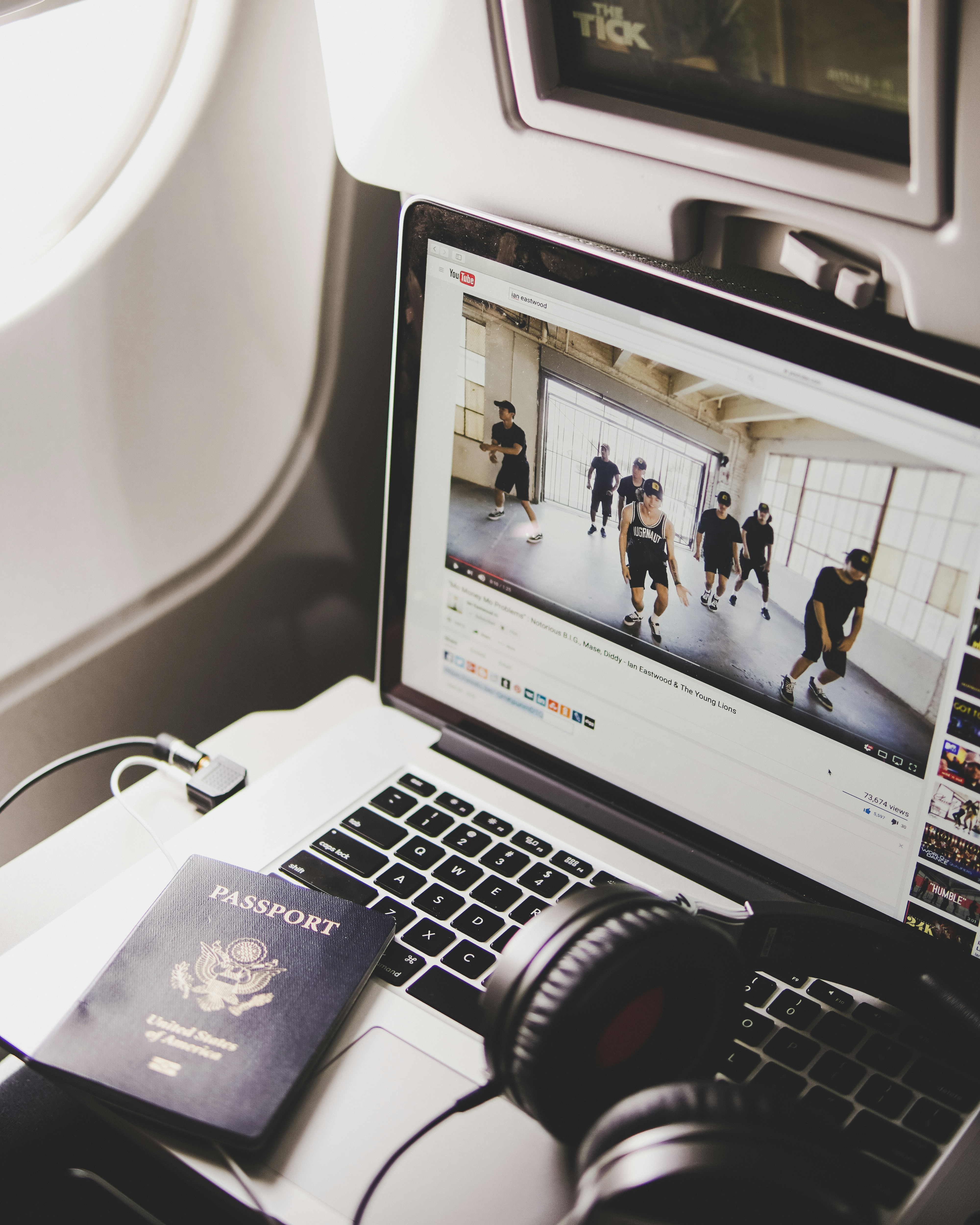
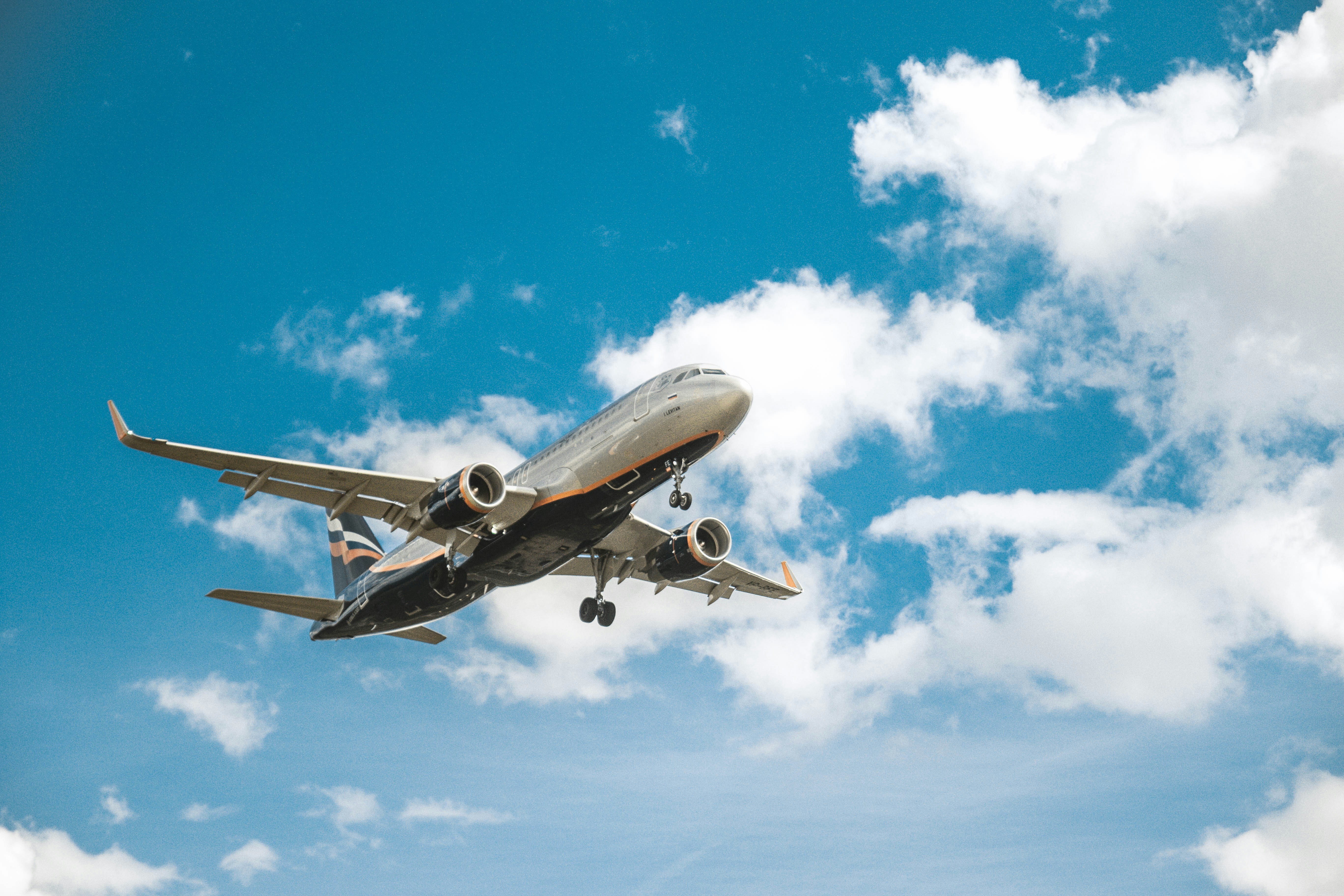
Introduction to the relationship between technology and travel industry
Traveling has always been an adventure. From the thrill of booking a spontaneous flight to the excitement of exploring new cultures, every journey tells a story. But what if technology could enhance those adventures even further? Today, we find ourselves at the crossroads of travel and innovation. The relationship between these two realms is evolving rapidly, transforming how we experience travel from start to finish.
Imagine having real-time updates on your flight status in the palm of your hand or personalized recommendations based on your preferences while you’re abroad. This isn't just wishful thinking; it’s becoming our reality thanks to advancements in technology. As airlines recognize the power of collaboration and partnership, travelers are set to benefit more than ever before.
Join us as we delve into this fascinating world where cutting-edge tech meets global airline partnerships, shaping not only how we fly but also redefining what it means to explore our planet.
Advancements in technology for travelers
Travelers today enjoy a range of technological advancements that enhance their journeys. Mobile apps have transformed trip planning, allowing users to book flights, accommodations, and activities with just a few taps.
Smart luggage equipped with GPS tracking helps ensure bags are never lost again. This innovation offers peace of mind in an often chaotic travel environment.
Augmented reality (AR) is also making waves. Travelers can now explore destinations through interactive maps or virtual guides on their smartphones. This technology enriches the experience by providing real-time information about attractions.
Voice-activated assistants streamline travel processes too. From checking flight statuses to finding nearby restaurants, these tools make navigating unfamiliar places much easier.
Contactless services gained popularity during the pandemic and continue to provide safety and convenience from check-in at airports to payments for meals while traveling. Technology is reshaping how we explore the world around us.
Impact of airline partnerships on the travel experience
Airline partnerships have transformed the travel experience in remarkable ways. By collaborating, airlines can offer travelers a broader range of destinations and seamless connections. This means fewer layovers and smoother transitions between flights.
Additionally, shared loyalty programs enhance customer benefits. Frequent flyers can earn miles across multiple airlines, providing incentives for travelers to stick with partners rather than switching carriers. These alliances often lead to enhanced service quality as airlines work together to maintain high standards.
Moreover, these partnerships facilitate access to exclusive lounges and amenities that elevate the journey from ordinary to extraordinary. Travelers enjoy priority boarding or extra baggage allowances simply by flying with partner airlines.
As global connectivity increases through these collaborations, passengers find themselves experiencing more options than ever before. Enhanced communication ensures real-time updates about flight status which helps reduce stress during travel planning.
Examples of successful airline partnerships
One standout example of a successful airline partnership is the alliance between American Airlines and British Airways. Together, they enhance transatlantic travel options, offering seamless connections for passengers flying between the U.
S. and Europe.
Another notable collaboration is found in Star Alliance. This global network includes major players like Lufthansa and Singapore Airlines. Travelers benefit from coordinated schedules, streamlined check-ins, and access to an extensive range of lounges worldwide.
SkyTeam has also made waves with its partnership among Delta Air Lines and Air France-KLM. Their joint efforts provide attractive incentives such as shared frequent flyer programs that reward loyal customers across various routes.
These partnerships not only expand flight choices but also elevate customer experiences through improved services like baggage handling and shared loyalty benefits. Such collaborations show how airlines can work together, creating value for travelers while maintaining their individual brand identities.
The role of AI and machine learning in revolutionizing travel experiences
AI and machine learning are fundamentally transforming how we travel. These technologies analyze vast amounts of data to offer personalized recommendations that cater to individual preferences. Imagine booking a trip where the itinerary is tailored just for you, based on past trips and behavior.
Chatbots powered by AI now handle customer inquiries around the clock. They provide instant answers, making travel planning smoother and more efficient. From flight updates to hotel bookings, assistance is always at your fingertips.
Moreover, predictive analytics help airlines optimize routes and reduce delays. This means fewer frustrations for travelers as flights become more reliable.
Security checks also benefit from these advancements. Facial recognition technology expedites boarding processes while enhancing safety protocols in airports.
As AI continues to evolve, it promises even deeper integration into our travel experiences—making journeys not only easier but uniquely enjoyable too.
Potential challenges and drawbacks of increased technology and partnerships
As technology advances, the travel industry faces unique challenges. Increased reliance on digital platforms can lead to data security concerns. Travelers may worry about their personal information being compromised in a world of constant connectivity.
Moreover, while partnerships between airlines promise convenience, they can sometimes complicate itineraries. Passengers might find themselves navigating complex rules and regulations when booking through multiple carriers.
Another issue is the potential for over-reliance on automation. While AI enhances efficiency, it can diminish the human touch that many travelers value. A lack of personal interaction may leave some feeling disconnected during their journeys.
Not all travelers adapt easily to new technologies. This creates a divide among those who are tech-savvy and those who struggle with modern tools or prefer traditional methods of travel planning and booking.
Predictions for the future of travel and airline partnerships
The future of travel is set to be shaped significantly by technological innovation and strategic airline partnerships. We can expect a rise in digital platforms that seamlessly integrate various travel services, making trip planning effortless.
Airlines will likely collaborate more closely with other sectors like hospitality and local experiences. This synergy will enhance customer journeys from the moment they book until they return home.
Sustainability will become a key focus. Eco-friendly practices will influence how airlines partner, leading to greener options for travelers.
Moreover, personalized experiences driven by data analytics may become commonplace. Tailored itineraries based on individual preferences could redefine what it means to travel smartly.
As competition intensifies, we might see dynamic pricing models becoming standard, offering travelers flexible rates based on demand fluctuations. The landscape ahead promises innovations that could make flying not just easier but also remarkably enjoyable.
: Embracing technology for a seamless and enhanced travel experience
As we look ahead, the fusion of technology and airline partnerships promises to redefine travel experiences. Imagine booking a trip where your preferences are understood before you even arrive at the airport. With AI and machine learning, personalized itineraries will become the norm.
The integration of advanced systems allows for smoother check-ins, automated baggage handling, and real-time updates on flight statuses. These innovations minimize stress and maximize enjoyment.
Airline partnerships enhance this journey further by offering seamless connections between carriers. Travelers will benefit from shared loyalty programs that provide rewards across multiple airlines without any hassle.
However, it’s crucial to navigate potential challenges too. Data privacy concerns must be addressed as technology becomes increasingly entwined with personal information.
Embracing these advancements can lead us towards a more efficient travel ecosystem—one that values customer experience above all else. As we adapt to new technologies and collaborative strategies within the industry, travelers can expect a future filled with convenience and excitement in their journeys around the globe.